Gas Line Repair in Vintage Oaks, New Braunfels, TX
Gas line repair in Vintage Oaks, New Braunfels, TX calls for a different kind of planning. This is an upscale Hill Country community on the edge of town, where custom homes sit on lots of an acre or more among limestone outcrops and mature oaks. Gas lines here travel long distances underground, trench through rock, and feed the outdoor living that large lots make possible — fire pits, outdoor kitchens, and backup generators. We bring careful, code-aware gas line service to Vintage Oaks homeowners who need those long runs and outdoor connections inspected, repaired, and built to last.
About this area
Why gas line repair in Vintage Oaks matters
Why we serve here
Vintage Oaks’ large Hill Country lots change the math on every gas line job. Long underground runs, limestone trenching, and outdoor gas loads — fire pits, outdoor kitchens, backup generators — call for technicians who plan around the land, not against it. That is why we bring our gas line service out to this edge-of-town community.
In Vintage Oaks, distance is the defining feature of the gas system
Vintage Oaks was built for space — custom homes on lots of an acre or more, set back from the road among oaks and limestone. That space is the community’s signature, and it is also the defining fact of its gas infrastructure. Instead of a short run from a curbside meter to the house, the gas service line on a Vintage Oaks property may travel a long distance across the lot before it reaches the home — and then keep going to the outdoor kitchen, the fire pit, or the generator pad. Every extra foot of pipe is another foot to inspect, another joint to test, and another stretch of ground where a problem can hide.
Then there is the ground itself. Vintage Oaks sits on the limestone shelf of the Texas Hill Country, and trenching here is nothing like digging in the soft soils closer to the river. Installers who worked these lots cut through rock where they could and routed around it where they could not, which means buried lines may run shallow over rock shelves or take winding paths around formations that were too hard to cut. A line that was trenched in a hurry around limestone is a line whose route may never have been written down — and future digging, grading, or landscaping near that route needs to start with locating, not guessing.
The mature oaks that give the community its name add their own pressure. Large, established root systems compete for every inch of soil, and they can press on buried pipe, stress fittings over decades, and turn a simple repair excavation into a careful operation around roots worth protecting. Vintage Oaks homeowners rightly value their trees, so when a buried line crosses a major root zone, the durable answer is often to reroute the replacement around the tree rather than trench through it — a plan that protects both the oak and the new pipe.
Outdoor living is where Vintage Oaks’ gas demand really shows. Fire pits, outdoor kitchens, patio heaters, and pool heaters are standard features on lots this size, and each one draws from the same system that heats the house and the water. We regularly see outdoor branches that were added informally — tied into an undersized main, routed shallow across the yard, or connected without an accessible shutoff at the appliance. Those additions work until they do not, and the fix is a properly sized, properly routed branch with its own shutoff, planned against the total load of the house.
Custom homes also mean custom systems, and backup generators are increasingly common on these larger properties. A standby generator is one of the heaviest gas loads a home can carry, and it needs a dedicated, correctly sized branch — connected where the meter and main line can actually deliver full volume while the furnace, water heater, and range keep running. Our approach in Vintage Oaks starts with the whole property: the house’s load, the outdoor load, the generator’s demand, the run lengths, and the rock in between — then we design the gas system around all of it.
Services available
Gas line repair services in Vintage Oaks
Vintage Oaks’ large lots and Hill Country terrain create a distinct pattern of gas line work: inspections and repairs on long underground runs, new branches for outdoor living and generators, and leak detection across acreage where the problem may be far from the house. We handle the full cycle, from finding the problem to pressure-testing the fix.
Gas Line Repair
Gas line repair in Vintage Oaks usually means working at distance. A failing section may sit far from the house, buried through limestone and root zones on its way to an outdoor kitchen or generator pad. We locate the problem with pressure testing and electronic detection, excavate precisely at that point with equipment suited to rock, and replace the section with properly sized, code-compliant piping — then pressure-test the whole run before the gas goes back on.
Gas Line Installation
Custom homes and large lots keep generating new gas demand in Vintage Oaks — outdoor kitchens, fire pits, patio heaters, pool heaters, and backup generators. We size and route new gas branches off the right point in the existing system, trench through limestone at proper depth, and finish every branch with an accessible shutoff at the appliance — so the home’s total system stays balanced as it grows.
Gas Leak Detection
On an acre-plus lot, a leak can hide a long way from where you notice it. We use electronic gas detectors, pressure-drop testing, and systematic isolation of line segments to pinpoint the source — whether it is under the lawn, across the drive, or out by the outdoor living area — so repairs open the smallest area of ground necessary.
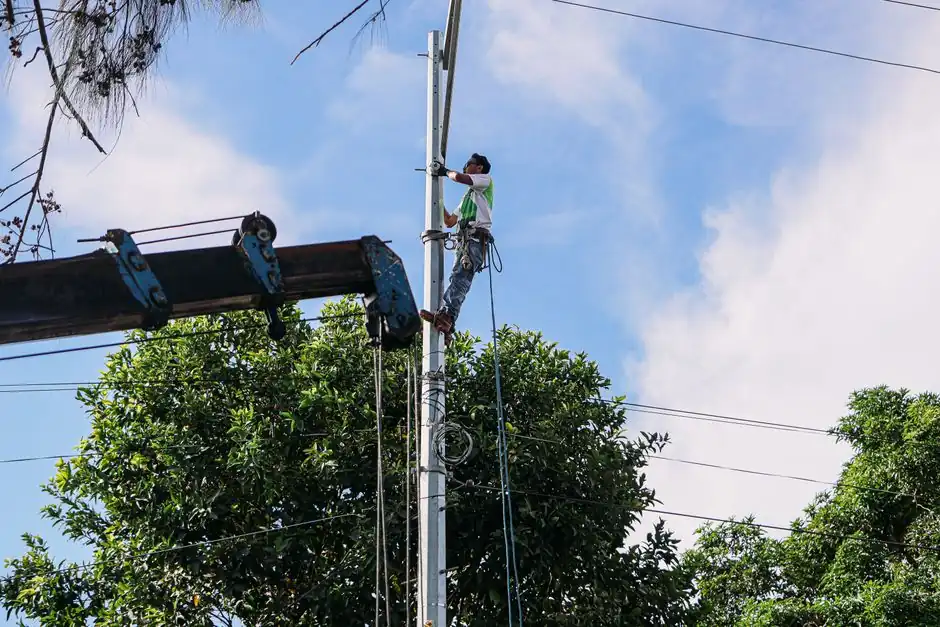
How we work locally
How gas line repair is executed in Vintage Oaks
Challenge: Long underground runs across large lots through limestone
Vintage Oaks properties carry gas lines across long distances — from the meter to the house, then on to outdoor kitchens, fire pits, and generator pads. Those runs cross limestone shelves and mature root zones, and their routes are not always documented. A leak or failure somewhere along that distance is hard to find and hard to reach.
Challenge: Outdoor living and generator loads outpacing the original system
Fire pits, outdoor kitchens, and standby generators were often added after the original gas system was built — tied into a main that was sized for the house alone. The result is pressure loss, appliances that underperform, or connections that never met current standards.
Where we work
Case files
Vintage Oaks estate — long limestone run to an outdoor kitchen
A custom home on a large Vintage Oaks lot had an outdoor kitchen whose burners kept running weak. The gas branch serving it traveled a long distance from the house across the lot, trenched years earlier through limestone, and the line had never been sized for the full set of outdoor appliances.
We pressure-tested the existing branch, confirmed it was undersized for the connected load, and installed a larger-diameter replacement along a cleaner route that avoided the heaviest rock shelf. The new branch was buried at proper depth with an accessible shutoff at the kitchen.
The outdoor appliances received full pressure under load, and the property now has a documented branch sized for everything connected to it.
Gated section — backup generator feed for a large property
A homeowner adding a standby generator needed a gas feed that could carry the generator’s full fuel demand without starving the home’s furnace, water heater, and range during an outage. The existing main had been sized for the house alone.
We calculated the total connected load with the generator running alongside the home’s appliances, then ran a dedicated, correctly sized branch from a point in the system that could deliver the full volume. The complete system was pressure-tested before being placed in service.
The generator and the home’s appliances can run together at full demand, with the gas system balanced for the property’s real load.
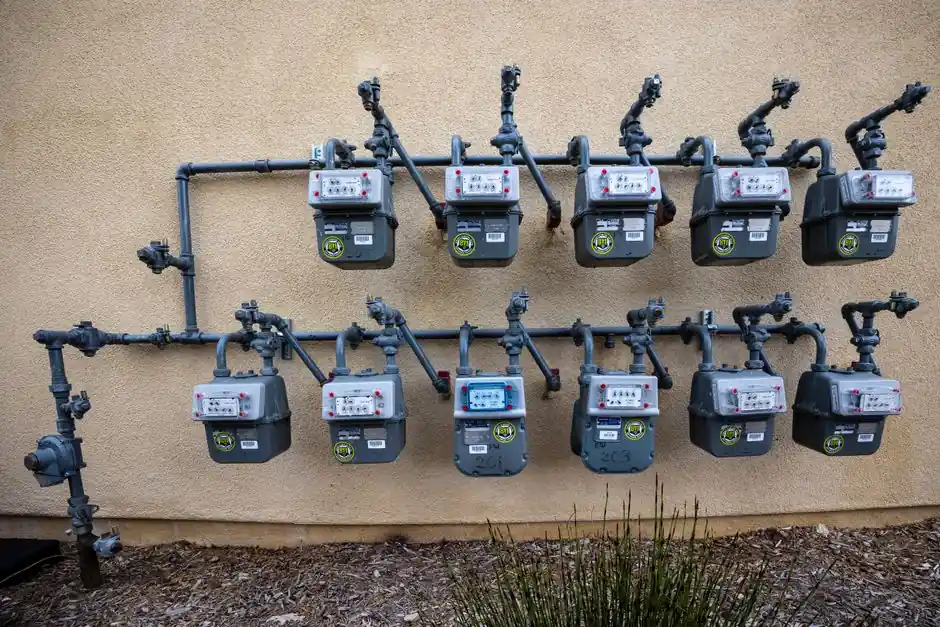
Field evidence from Vintage Oaks
Gas line work built for large Hill Country lots
Working in Vintage Oaks has taught us to think in terms of the whole property. Long runs, limestone trenching, mature oaks, outdoor kitchens, fire pits, and generators — each one changes how a gas system should be planned. Our habit is the same every time: map the system, calculate the real load, explain what we find in plain terms, build to current standards, and pressure-test before the gas goes back on. That discipline is what keeps large-lot gas systems dependable and outdoor projects moving without rework.
Local questions
Do long gas line runs across large Vintage Oaks lots cause pressure problems?
They can. A gas line that travels a long distance from the meter to the house loses pressure along the way, and every additional appliance on that run — an outdoor kitchen, a fire pit, a pool heater — adds demand the original pipe may not have been sized for. The fix is not guesswork: we calculate the total connected load, measure the run length, and size the pipe so every appliance gets the pressure it needs. When a long run is undersized, the usual answer is a larger-diameter replacement on the right route, not a patch on the old one.
How does limestone terrain affect gas line work in Vintage Oaks?
Vintage Oaks sits on classic Texas Hill Country limestone, and trenching through rock is a different job than digging in soft soil. Buried gas lines here may run shallow where rock was near the surface at installation, or follow winding paths around rock shelves that were too hard to cut through. We plan every excavation around the rock — using proper cutting equipment where trenching is needed, rerouting around the heaviest formations when that gives a better long-term result, and restoring the grade so drainage still moves away from the foundation.
Can you run gas to an outdoor kitchen or fire pit in Vintage Oaks?
Yes — outdoor gas is one of the most common projects we handle in Vintage Oaks, where large lots and outdoor living go together. We size the new branch off the right point in the existing system, route it underground at proper depth with protection where it crosses driveways or patios, and finish it with an accessible shutoff at each appliance. Before we start, we check that the main line and meter can support the added load; if they cannot, we will tell you what needs to change before the outdoor line goes in.
What does a backup generator need from the gas line in Vintage Oaks?
A whole-home or large standby generator is one of the heaviest gas loads a house can have, and it is a frequent request on Vintage Oaks’ larger properties. The generator needs a dedicated branch sized for its full fuel demand, connected where the meter and main line can actually deliver that volume without starving the furnace, water heater, or range. We calculate the total load with the generator running alongside the home’s other appliances, and we size or upgrade the piping so everything performs at full demand — not just on paper.
Safety & compliance
Trust and compliance
Gas work on large Hill Country properties demands respect for both the fuel and the ground it runs through. We approach every job with safety-first procedures: the system is tested before it is put back into service, installations follow applicable fuel-gas code requirements, and any excavation starts with utility locating and a plan for the rock. No shortcuts, no guesswork — just careful work documented so you and any future inspector can see exactly what was done.
Signs you need gas line repair in Vintage Oaks
On large Hill Country lots, gas line problems can develop far from where you notice them. Watch for these signs — and if you notice any of them, have the line inspected before a small issue becomes an urgent one.
1. A rotten-egg or sulfur smell
Natural gas is odorless, so a distinctive scent is added that you cannot miss. If you notice it anywhere on your property — near the meter, at an appliance, or out in the yard — treat it as urgent and have the system inspected right away.
2. Weak flames on outdoor appliances
Fire pit burners, outdoor kitchen grills, or patio heaters that run low or uneven can point to pressure loss on a long branch. When the house appliances are fine but the outdoor ones struggle, the branch serving them deserves a professional look.
3. Dead vegetation in a line across the lot
Grass or plants dying in a narrow strip — especially one that runs from the meter toward the house or out to an outdoor living area — is a classic sign of a buried leak. Gas displaces oxygen in the soil and kills roots along the pipe path.
4. Hissing near the meter or along the line
A faint hiss at the meter, at an appliance connection, or anywhere along the buried line’s route can mean gas is escaping under pressure. Do not try to locate it yourself — have it checked professionally.
5. A generator that will not run at full output
If a standby generator struggles under load or shuts down during an outage, the gas feed may be undersized for its fuel demand. A load calculation and pressure check will show whether the branch can actually deliver what the generator needs.
6. Exposed or shallow pipe found on the property
Grading, landscaping, or erosion on a large lot can uncover gas piping that was buried too shallow — sometimes where limestone kept the original trench from going deep. Exposed pipe should be evaluated and re-buried to proper depth, not left in the open.
Reliable gas line repair in Vintage Oaks
Vintage Oaks’ large lots and Hill Country terrain deserve gas lines built for both. Call (830) 953-4059 for an inspection, a repair, or a new installation — and get honest answers about what your system actually needs.
Request service